After all these years of living “the easy life” at least financially, I can finally understand what it means to be a “working poor”. Right now, I have never worked so hard while seeing so little money for it. It’s a bit complicated, because it is connected to how the Japanese tax system is working, so bear with me.
Essentially, in Japan, you pay taxes according to the amount of money you earned the year before. This is very nice if your salary increases quickly – one extra year of low taxes – but not so nice if you retire or become unemployed. Since my company only makes a small profit, I have been paying myself the same salary since the beginning, just enough to satisfy the Japanese Immigration Office. And this year, for the first time, I am being hit with the full amount of taxes. I didn’t pay anything in the first year, and only 5000 yen/month in the second. But this year, my taxes have tripled, although they are still at the lower end of the general national tax scale.
This tax increase didn’t come as a big surprise, but what really hit me was the enormous hike in health insurance, a system that works like taxes: you pay according to what you earned the year before. Last year, I paid about 5000 yen/month and I expected insurance to double, maybe. I wasn’t that lucky: I am now paying 25.000 yen each month, which is quite a blow.
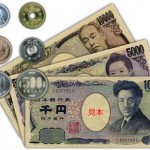 So, at this point, after I have paid all my taxes, insurances, utilities, rent, etc. I am left with 50.000 yen spending money for the whole month. This is tough! I have tried to reduce some of my expenses for daily life (meaning: food), but there’s only so far you can go. While it should be possible to eat for 1000 yen/day, I have not managed that, probably because I am so addicted to the comparatively expensive bread. Most of the times I drink water anyway, so that’s not a big deal, but cutting chocolate – which I see as necessary “fuel” is very difficult. I might take this opportunity to lose some weight, which will cut down food costs automatically though.
Other expenses are relatively low in general: I have no expensive hobbies, plenty of clothing that will go for a while still (and I never liked shopping for clothes anyway), hardly ever go anywhere, and I even stopped buying books since the library is that close. Unexpected things do come up though – the brakes on my bicycle needed fixing last month for example, but even that was just a small amount. I hope that there won’t be any major things happening, because I want to avoid touching my savings (aka: my future house with garden) at all costs.
Altogether I think I can get by until I can raise my own salary, but I am worried a little about the coming winter because the heating will drive up my electricity bills. If anyone wants to help me over the cold here by sending me a food parcel, just let me know! 😉

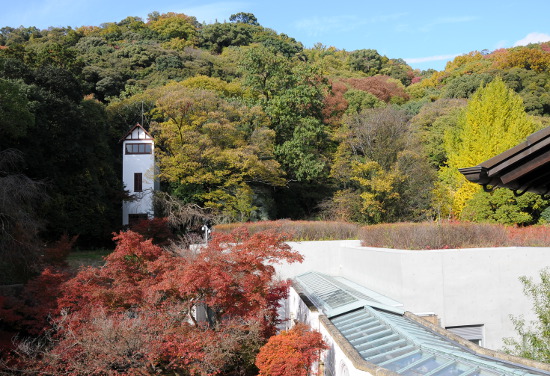
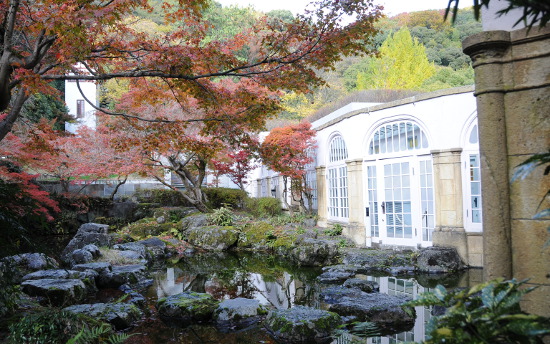
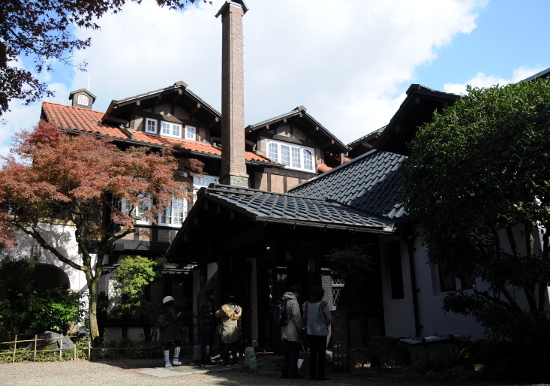 The main house was built in the Taisho era (about 100 years ago) and was subsequently enlarged. It has an obvious Western feeling to it, but even so, there are many features that are reminiscent of Japanese style: enormous wooden beams (one square one with a side length of 50cm) support the ceilings, and the entrance and second floor have high ceilings where the roof structure can be seen, there are little ornaments featuring bamboos… But mainly, the house is Western style: there are two large terraces on the second floor, together with a very modern looking guest bathroom with beige tiles that even features fixtures for hot water. The ground floor sports a large dining room and parlour with enormous fireplace, and out into the back, there is an airy corridor with lots of windows that once led to a greenhouse for orchids.


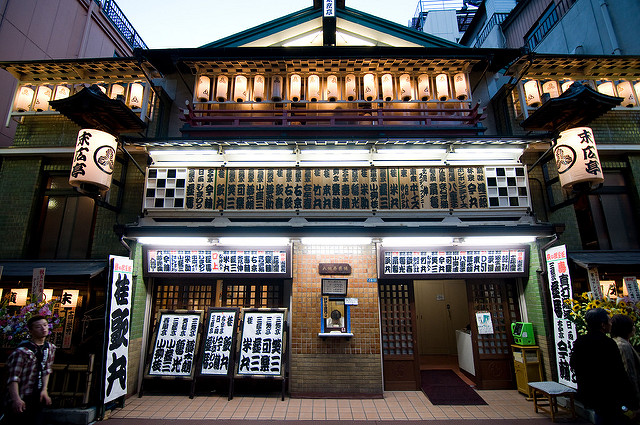
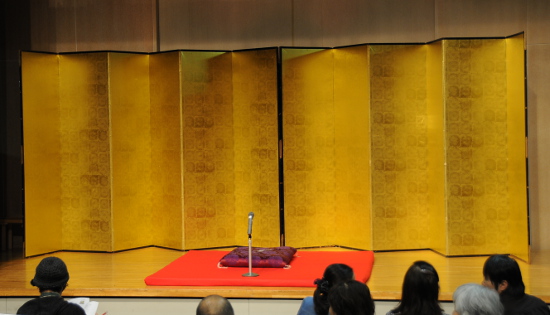 Rakugo goes back to Buddhist monks of the 10th century, who interjected little, often humorous stories to their sermons to make them better understandable for the lay people. The stories evolved to a kind of monologue that people told among themselves, and especially the daimyo of the Edo period were the patrons of this kind of storytelling. With the rise of the rich merchant class, however, rakugo as an art form finally spread to the common people, and by the end of the 18th century, professional rakugoka had emerged, who rented rooms – yose – for their performances. Finally, theaters especially for rakugo were set up as well.